
10 High-Fiber Recipes That Promote Gut Health (Under 30 Minutes)
Why Fiber Is Essential for Gut Health
Fiber is one of the most important nutrients for digestive health—yet it’s also one of the most commonly missed in modern diets. If you struggle with bloating, constipation, acid reflux, or an easily irritated stomach, increasing fiber the right way can make a noticeable difference in how your gut feels day to day.
Fiber works by supporting digestion, feeding beneficial gut bacteria, and helping your digestive system move waste efficiently. Unlike fad supplements or detox products, fiber from whole foods improves gut health naturally and sustainably.
How Fiber Supports Digestion and the Gut Microbiome
Dietary fiber acts as fuel for the trillions of beneficial bacteria living in your gut, also known as the gut microbiome. When these bacteria ferment fiber, they produce short-chain fatty acids that help:
- Reduce inflammation in the digestive tract
- Strengthen the gut lining
- Improve bowel regularity
- Support overall digestive balance
A well-fed gut microbiome is linked to better digestion, improved immunity, and even more stable energy levels.
Soluble vs. Insoluble Fiber (Simple Explanation)
Not all fiber works the same way, and your gut needs both types:
- Soluble fiber dissolves in water and forms a gel-like texture.
It slows digestion and helps regulate blood sugar and cholesterol.
Found in: oats, chia seeds, apples, beans, bananas - Insoluble fiber does not dissolve in water.
It adds bulk to stool and helps food move through the digestive system.
Found in: vegetables, whole grains, nuts, seeds
A balanced intake of both helps prevent constipation while keeping digestion gentle and steady.
Why Quick, Whole-Food Meals Work Better Than Supplements
Fiber supplements may seem convenient, but they often lack the full spectrum of nutrients found in real food. Whole foods provide fiber alongside water, antioxidants, vitamins, and natural enzymes that support digestion without shocking the gut.
Quick, fiber-rich meals made from whole ingredients are:
- Easier for the body to digest
- Less likely to cause bloating
- More effective for long-term gut health
- Sustainable for everyday eating
That’s why simple, high-fiber recipes are one of the best tools for improving digestion—without extreme diets or expensive products.
Who This Guide Is For
This guide is designed for people who:
- Experience frequent bloating or gas
- Struggle with constipation or irregular digestion
- Have mild acid reflux triggered by poor food choices
- Have sensitive digestion or IBS-like symptoms
- Want easy, gut-friendly meals without complicated prep
These recipes focus on gentle, nourishing foods that support digestion while fitting into a busy lifestyle.
1. Overnight Chia Oats with Berries
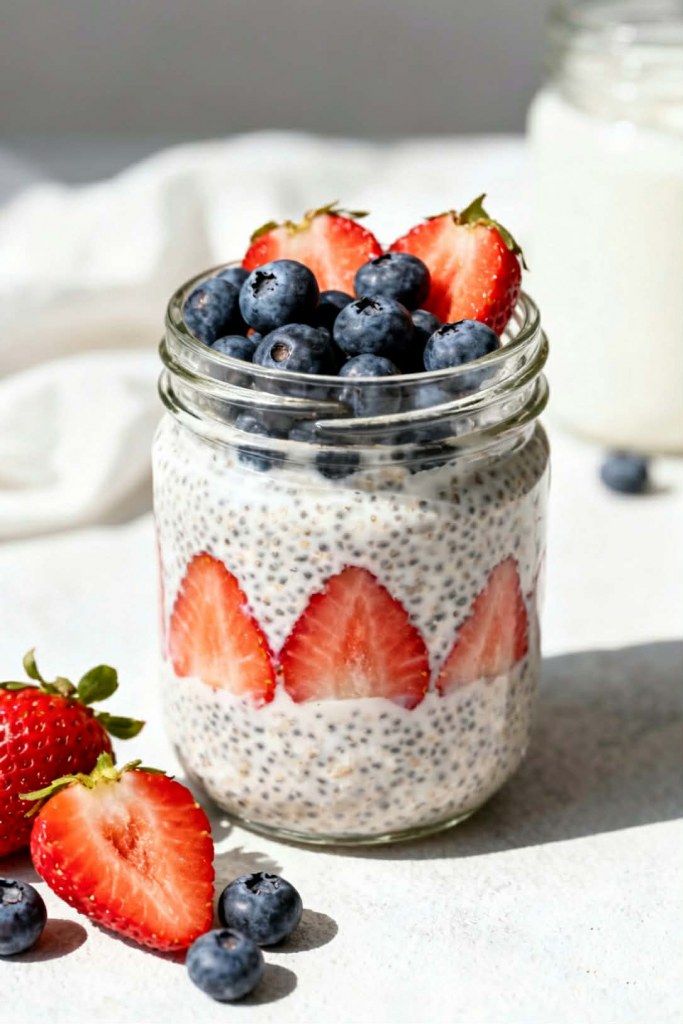
Problem → Solution
Constipation and slow digestion? These overnight oats deliver soluble fiber that gently supports bowel regularity without bloating.
Prep + Cook Time
Prep: 5 minutes | Cook: None (overnight soak)
Ingredients (1 serving)
- ½ cup rolled oats
- 1 tbsp chia seeds
- ¾ cup unsweetened almond milk
- ½ cup mixed berries (blueberries, strawberries)
- ½ tsp cinnamon
- Optional: 1 tsp honey or maple syrup
Instructions
- Add oats, chia seeds, milk, and cinnamon to a jar.
- Stir well and refrigerate overnight (or at least 4 hours).
- Top with berries before serving.
Why It’s Good for Your Gut
Chia seeds form a gel that softens stool and feeds beneficial gut bacteria, while berries reduce gut inflammation.
Nutrition Highlights (Approx.)
- Calories: ~320
- Fiber: ~10 g
- Protein: ~9 g
- Fat: ~9 g
2. Chickpea & Spinach Garlic Sauté
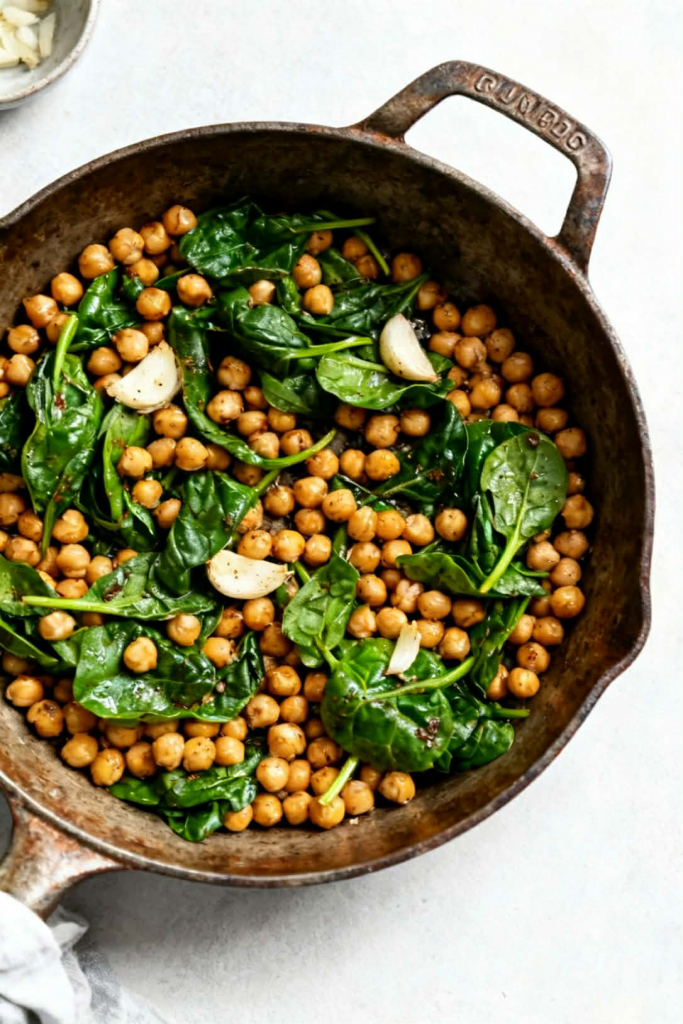
Problem → Solution
Bloating after meals? This light but fiber-rich dish supports digestion without heaviness.
Prep + Cook Time
Prep: 5 minutes | Cook: 15 minutes
Ingredients
- 1 cup canned chickpeas, rinsed
- 1 cup fresh spinach
- 1 tbsp olive oil
- 2 cloves garlic, minced
- Salt and pepper to taste
Instructions
- Heat olive oil in a pan over medium heat.
- Sauté garlic for 30 seconds.
- Add chickpeas and cook for 5–7 minutes.
- Stir in spinach until wilted. Season and serve.
Why It’s Good for Your Gut
Chickpeas contain prebiotic fiber that feeds gut bacteria; spinach provides magnesium for smoother digestion.
Nutrition Highlights
- Calories: ~290
- Fiber: ~9 g
- Protein: ~11 g
- Fat: ~10 g
3. Avocado & White Bean Toast
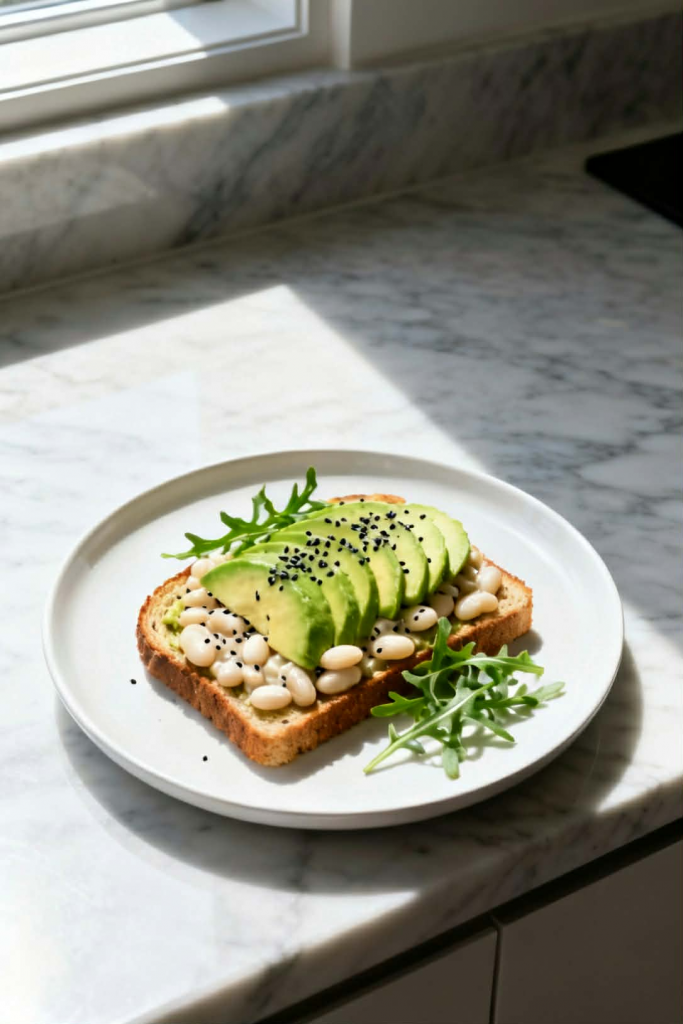
Problem → Solution
Low-fiber breakfasts often lead to constipation—this toast adds fiber + healthy fats to keep digestion moving.
Prep + Cook Time
Prep: 10 minutes | Cook: None
Ingredients
- 1 slice whole-grain bread
- ½ avocado, mashed
- ¼ cup white beans, mashed
- Lemon juice, salt, pepper
Instructions
- Toast bread.
- Mash avocado and beans with lemon juice.
- Spread onto toast and season.
Why It’s Good for Your Gut
Beans feed beneficial bacteria, while avocado helps fiber pass smoothly through the gut.
Nutrition Highlights
- Calories: ~310
- Fiber: ~11 g
- Protein: ~9 g
- Fat: ~14 g
4. Lentil Vegetable Soup (Quick Version)
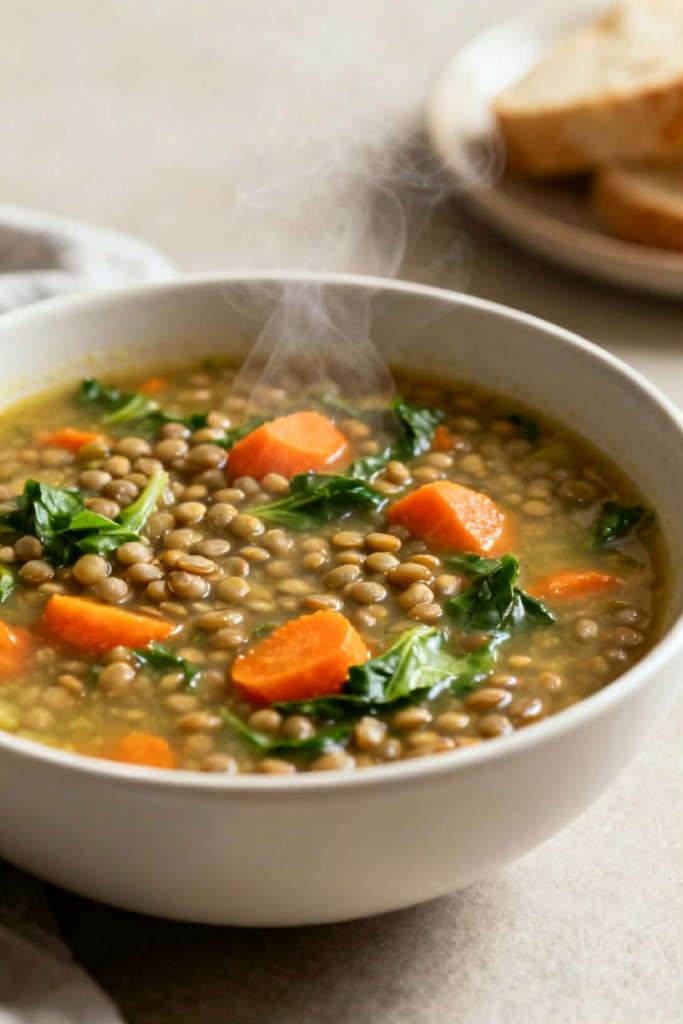
Problem → Solution
Digestive discomfort improves with warm, hydrating meals—this soup delivers fiber gently.
Prep + Cook Time
Prep: 10 minutes | Cook: 20 minutes
Ingredients
- 1 cup cooked lentils
- 1 cup vegetable broth
- ½ cup chopped carrots
- ½ cup chopped spinach
- 1 tsp olive oil
- Salt, pepper
Instructions
- Heat olive oil in a pot.
- Add carrots and cook 5 minutes.
- Add lentils and broth; simmer 15 minutes.
- Stir in spinach and season.
Why It’s Good for Your Gut
Lentils provide soluble and insoluble fiber while broth supports hydration.
Nutrition Highlights
- Calories: ~330
- Fiber: ~12 g
- Protein: ~18 g
- Fat: ~6 g
5. Banana Oat Pancakes (Blender)
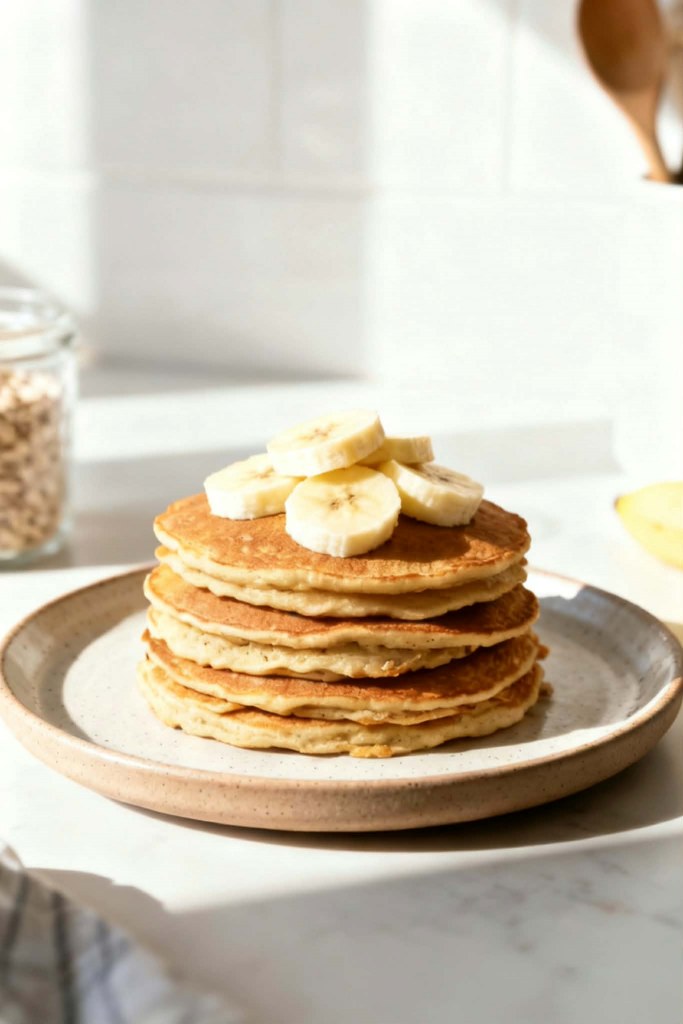
Problem → Solution
Irregular digestion benefits from gentle fiber—these pancakes avoid harsh ingredients.
Prep + Cook Time
Prep: 5 minutes | Cook: 10 minutes
Ingredients
- 1 ripe banana
- ½ cup rolled oats
- 1 egg
- ½ tsp baking powder
Instructions
- Blend all ingredients until smooth.
- Cook small pancakes on a nonstick pan.
Why It’s Good for Your Gut
Oats contain beta-glucan fiber; bananas provide resistant starch.
Nutrition Highlights
- Calories: ~290
- Fiber: ~8 g
- Protein: ~11 g
- Fat: ~7 g
6. Quinoa Veggie Stir-Fry
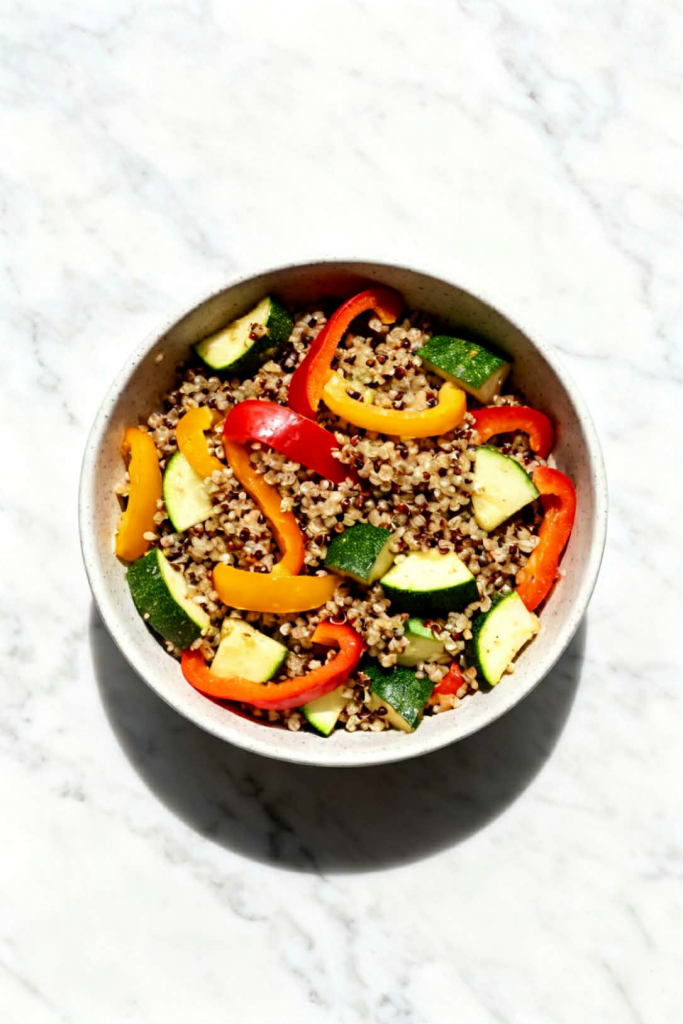
Problem → Solution
Low-energy digestion days need balanced fiber without heaviness.
Prep + Cook Time
Prep: 10 minutes | Cook: 15 minutes
Ingredients
- 1 cup cooked quinoa
- ½ cup bell peppers
- ½ cup zucchini
- 1 tbsp olive oil
- Garlic, salt
Instructions
- Sauté vegetables in olive oil.
- Add quinoa and season.
- Stir-fry until heated.
Why It’s Good for Your Gut
Quinoa is easier to digest than refined grains and supports regularity.
Nutrition Highlights
- Calories: ~340
- Fiber: ~7 g
- Protein: ~12 g
- Fat: ~10 g
7. Sweet Potato & Black Bean Bowl
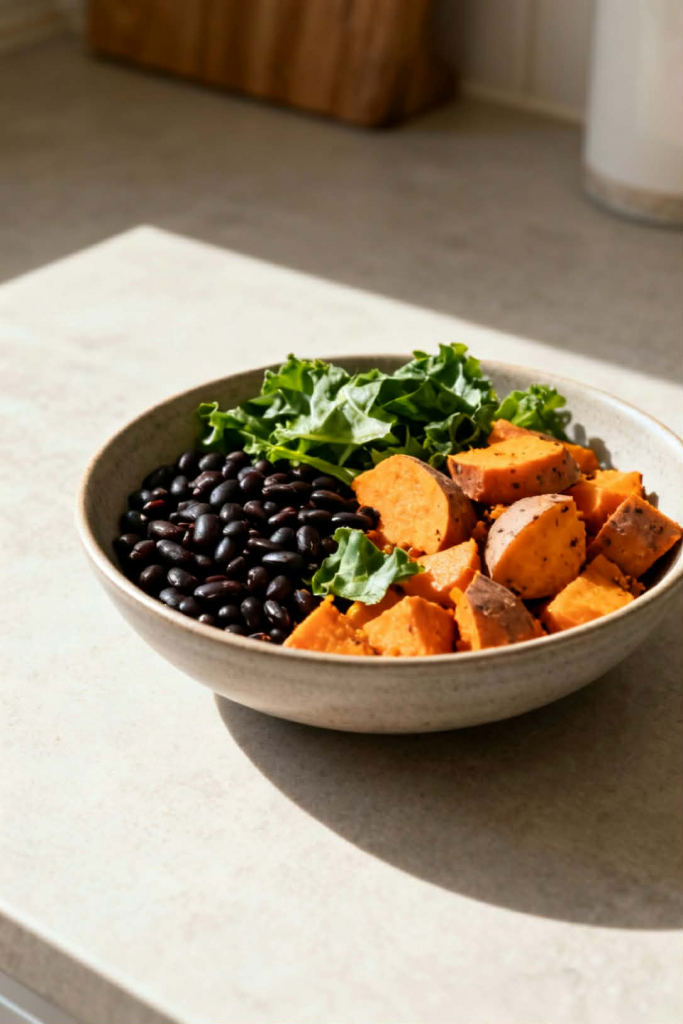
Problem → Solution
Constipation improves with slow-digesting fiber—this bowl delivers both types.
Prep + Cook Time
Prep: 10 minutes | Cook: 20 minutes
Ingredients
- 1 small roasted sweet potato
- ½ cup black beans
- 1 tsp olive oil
- Cumin, salt
Instructions
- Roast sweet potato at 400°F for 20 minutes.
- Warm beans and assemble bowl.
Why It’s Good for Your Gut
Sweet potatoes soothe digestion; beans nourish gut bacteria.
Nutrition Highlights
- Calories: ~360
- Fiber: ~13 g
- Protein: ~14 g
- Fat: ~7 g
8. Apple Cinnamon Yogurt Parfait
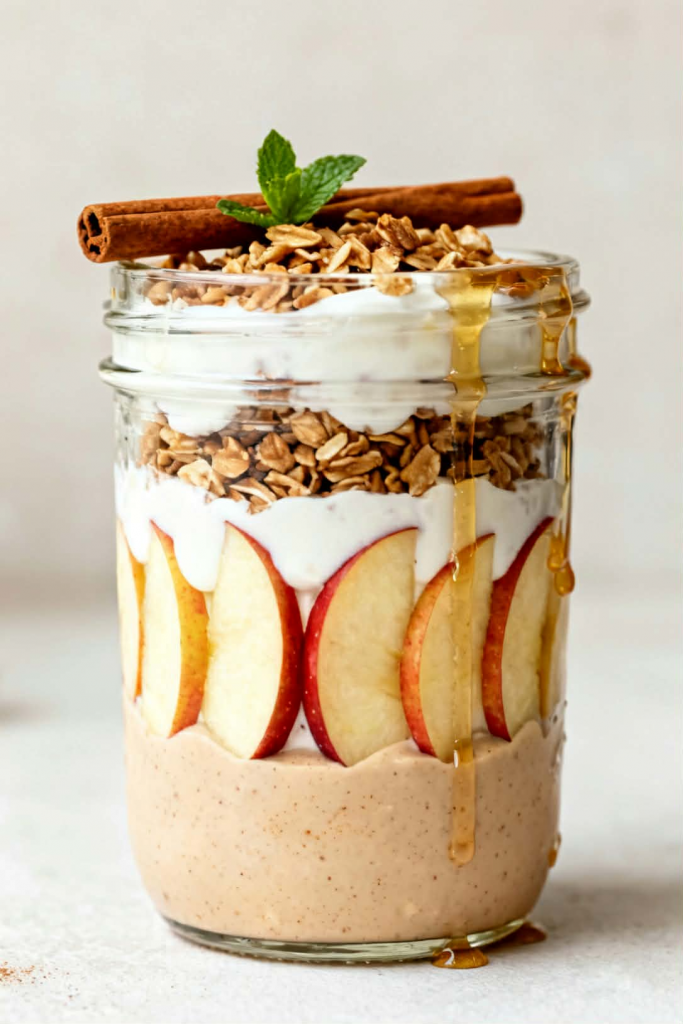
Problem → Solution
Gut imbalance benefits from fiber + probiotics together.
Prep + Cook Time
Prep: 5 minutes | Cook: None
Ingredients
- ¾ cup plain Greek yogurt
- ½ apple, chopped
- Cinnamon
- 1 tbsp walnuts
Instructions
- Layer yogurt, apple, and walnuts.
- Sprinkle cinnamon.
Why It’s Good for Your Gut
Apples contain pectin fiber; yogurt adds probiotics.
Nutrition Highlights
- Calories: ~260
- Fiber: ~6 g
- Protein: ~15 g
- Fat: ~9 g
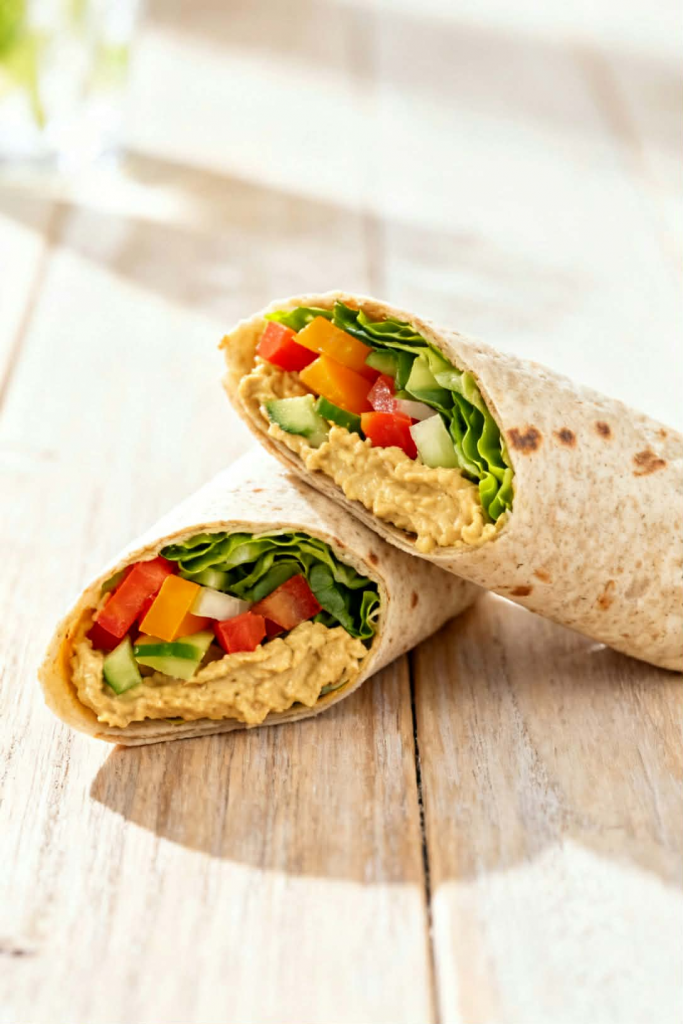
9. Veggie & Hummus Wrap
Problem → Solution
Low vegetable intake slows digestion—this wrap adds bulk and movement.
Prep + Cook Time
Prep: 10 minutes | Cook: None
Ingredients
- Whole-wheat wrap
- ¼ cup hummus
- Mixed veggies (lettuce, cucumber, carrot)
Instructions
- Spread hummus on wrap.
- Add vegetables and roll.
Why It’s Good for Your Gut
Insoluble fiber helps food move through the digestive tract.
Nutrition Highlights
- Calories: ~320
- Fiber: ~9 g
- Protein: ~10 g
- Fat: ~11 g
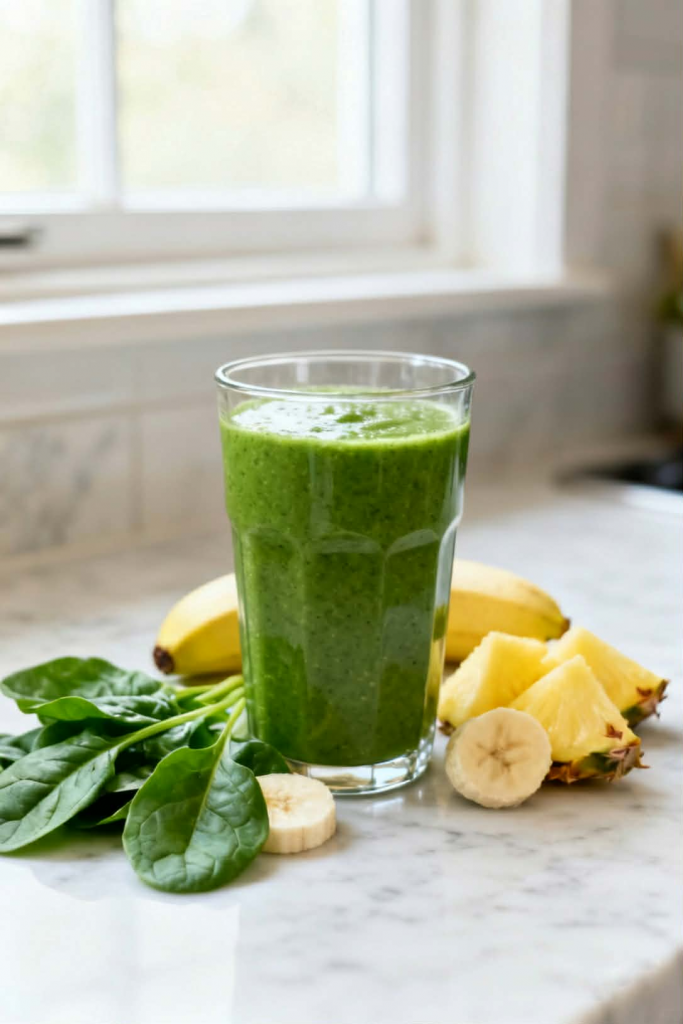
10. Green Gut Smoothie (No Bloating)
Problem → Solution
Fiber causes bloating when digestion is weak—blending makes it gentler.
Prep + Cook Time
Prep: 5 minutes | Cook: None
Ingredients
- 1 cup spinach
- ½ banana
- ½ cup frozen pineapple
- 1 cup water or almond milk
Instructions
- Blend all ingredients until smooth.
- Drink immediately.
Why It’s Good for Your Gut
Blended fiber is easier to digest and supports hydration.
Nutrition Highlights
- Calories: ~210
- Fiber: ~8 g
- Protein: ~4 g
- Fat: ~2 g
NOTE: Nutrition values are estimates and may vary depending on ingredient brands and portion sizes.
Tips to Increase Fiber Without Digestive Discomfort
- Increase fiber slowly
- Drink enough water
- Pair fiber with healthy fats
- Chew thoroughly